





Esophyx
What is EsophyX TIF?
EsophyX TIF (Transoral Incision less Fundoplication) is a surgical procedure performed through the mouth which reconstructs the barrier between the stomach and esophagus to prevent stomach fluids from refluxing up into the esophagus. This innovative procedure treats the underlying cause of GERD by reconstructing the anti-reflux valve and subsequently restoring the body’s natural protection against chronic acid reflux. EsophyX TIF is completely incision less therefore offering less risk, reduced recovery time and no visible scars.
Frequently Asked Questions:
What is gastro esophageal reflux disease (GERD)?
Also referred to as acid reflux disease, it is the flow of the stomach’s contents and acid back up into the esophagus. This happens when the gastro esophageal valve (GEV), part of the anti-reflux barrier becomes weak or nonfunctional. GERD is also often called heartburn, reflux and esophageal reflux. Several factors contributing to the deterioration of the anti-reflux valve include aging, diet, injuries to the abdomen and excessive weight.
Common symptoms of GERD include:
- Heartburn
- Regurgitation
- Frequent swallowing
- Chest pain or discomfort
- Hoarseness or sore throat
- Burning in the throat or mouth
- Sleep disorders related to reflux
- Asthma or asthma like symptoms
- Bloating or intolerance of certain foods
- Persistent cough or excessive clearing of the throat
- Dental erosion, gum inflammation therapy-resistant gum disease
What are the consequences of GERD?
Over the long term, persistent exposure of the delicate tissue of the esophagus to the acid contents of the stomach can cause chronic inflammation or esophagitis which can lead to a potentially serious condition called Barrett’s Esophagus.
In some cases GERD sufferers may experience non-heartburn symptoms. Symptoms may include hoarseness, persistent cough, dental erosions, sore throat, discomfort in the ears and nose and asthma-like symptoms. In many instances, these symptoms cannot be resolved through drug therapy.
How is GERD treated?
In addition to dietary controls, medications like non-prescription antacids, PPIs (proton pump inhibitors) and H2 blockers help prevent the acceleration of GERD. Over time however, these medications may lose their effectiveness requiring increased dosages, rising prescription costs and the overall risk of long term side effects. Invasive surgical procedures such as the Nissen Fundoplication have long been known to be effective therapy for GERD. The risk of adverse events and the invasive nature of these procedures have made them lose popularity in recent years. The TIF (Transoral Incision less Fundoplication) procedure offers a less invasive, surgical solution for the treatment of GERD, a clinically proven non-surgical option without incisions.
What can the patient expect from EsophyX TIF?
The EsophyX TIF procedure is performed safely, quickly, comfortably, with no incisions and with minimal downtime. While under anesthesia the flexible EsophyX device will be gently lowered through the mouth into the stomach under the visualization of an endoscope “video” placed down the shaft of the device. Once inside the stomach, the bariatric surgeon will manipulate the device to create a tight sealing valve and hold it in place with suture-like fasteners.
What can the patient expect after treatment?
Most patients can return to work the next day or within a few days following their EsophyX TIF procedure. Patients will likely experience some manageable discomfort in their chest, nose, throat and stomach for the first few days to a week. Patients will be asked to restrict physical activity for the first week and will be given dietary guidelines to help maximize their success while their new anti-reflux valve heals.
Is EsophyX TIF safe?
EsophyX TIF has been proven safe in use in thousands of procedures worldwide. The EsophyX TIF procedure is expected to be safer than traditional surgery which often involves incisions in the skin for access to the organs, and cutting around the organs to free the desired area for suturing. With EsophyX TIF there are no incisions inside on the organs or outside on the skin.
EsophyX Steps:
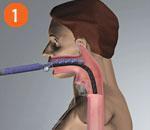
Step 1: The specially designed EsophyX device and endoscope gently enters the esophagus through the mouth and is positioned at the junction of the stomach and esophagus.
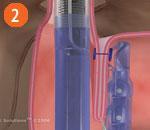
Step 2: The EsophyX device forms and fastens a tissue fold.
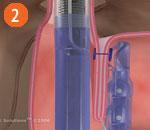
Step 3: Step 2 is repeated multiple times to reconstruct a robust, tight valve that prevents the reflux of stomach contents up into the esophagus, resulting in the effective elimination of GERD.